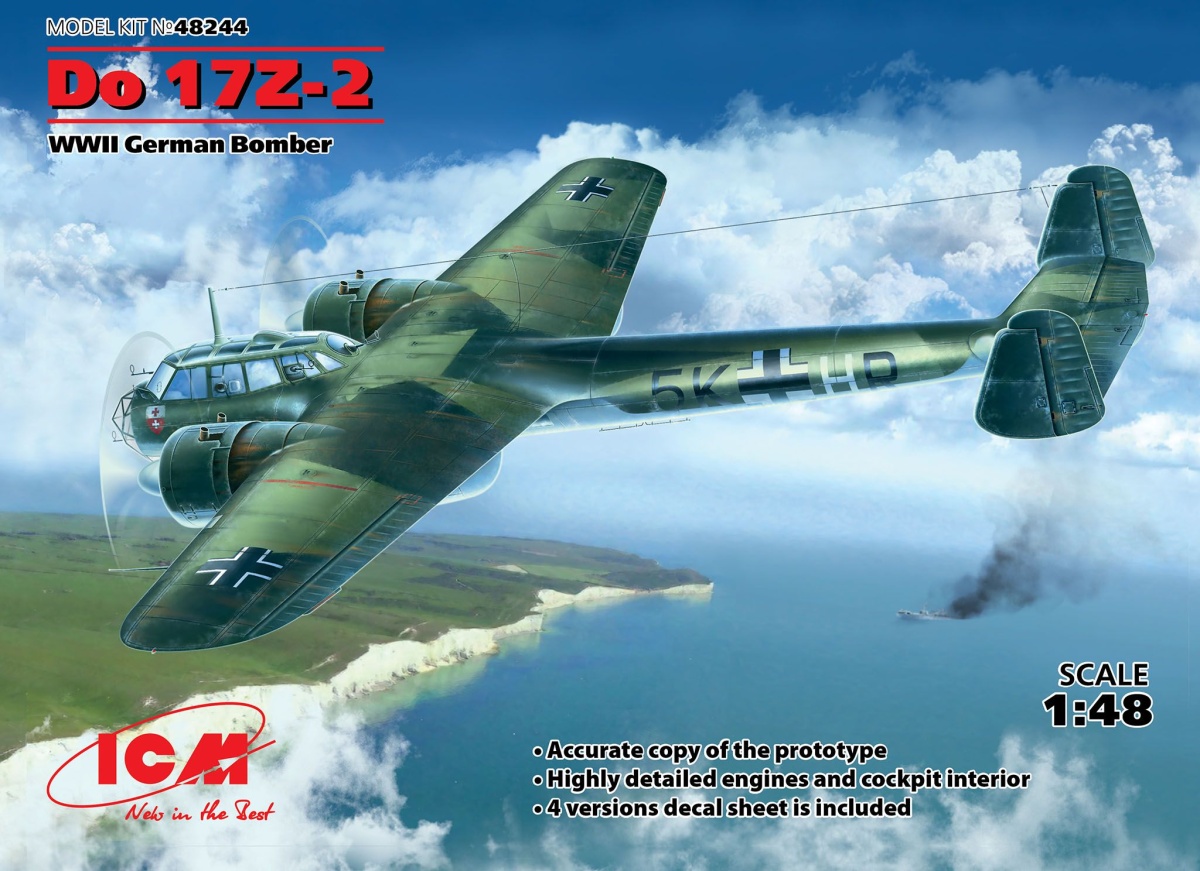
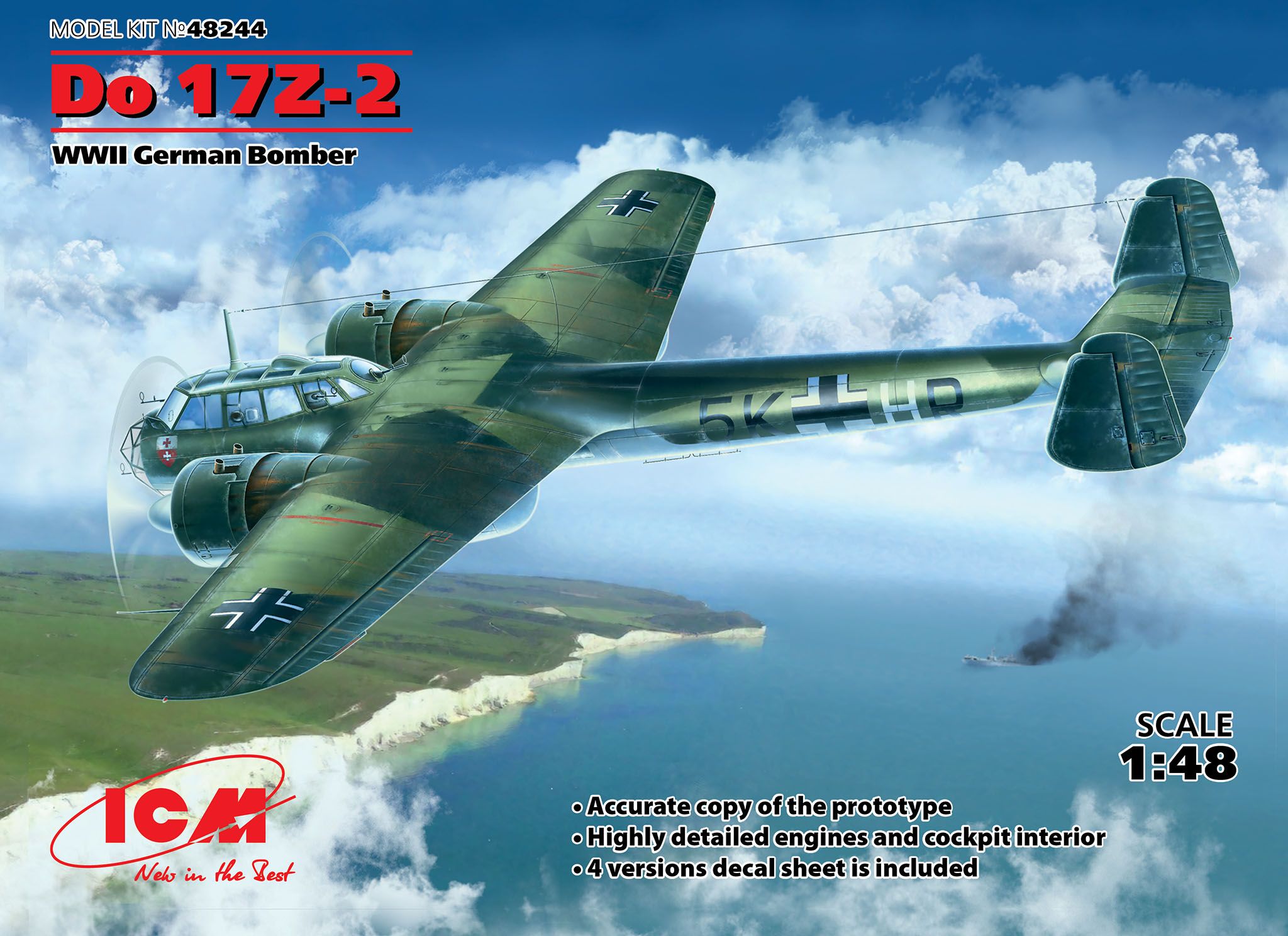
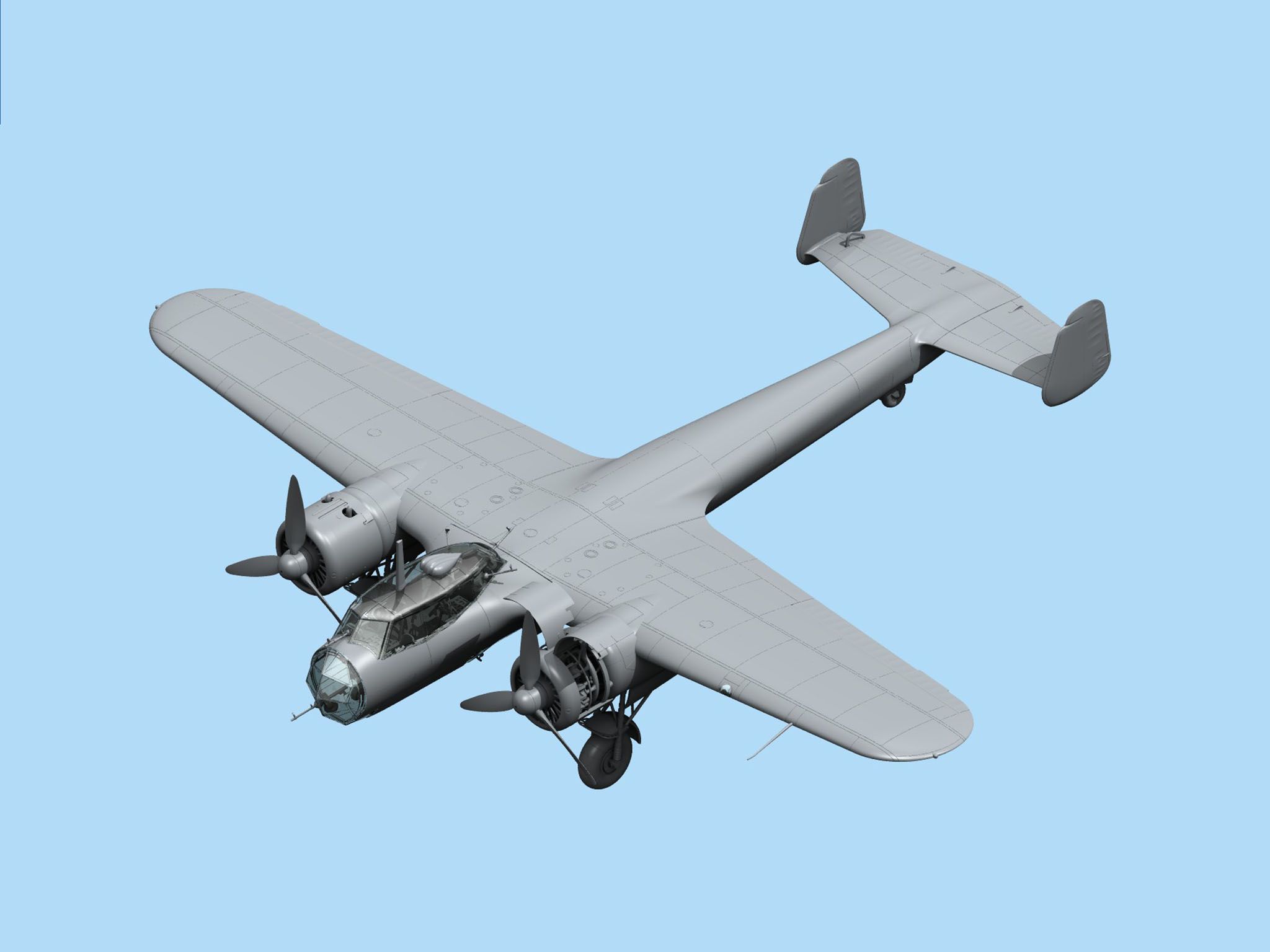
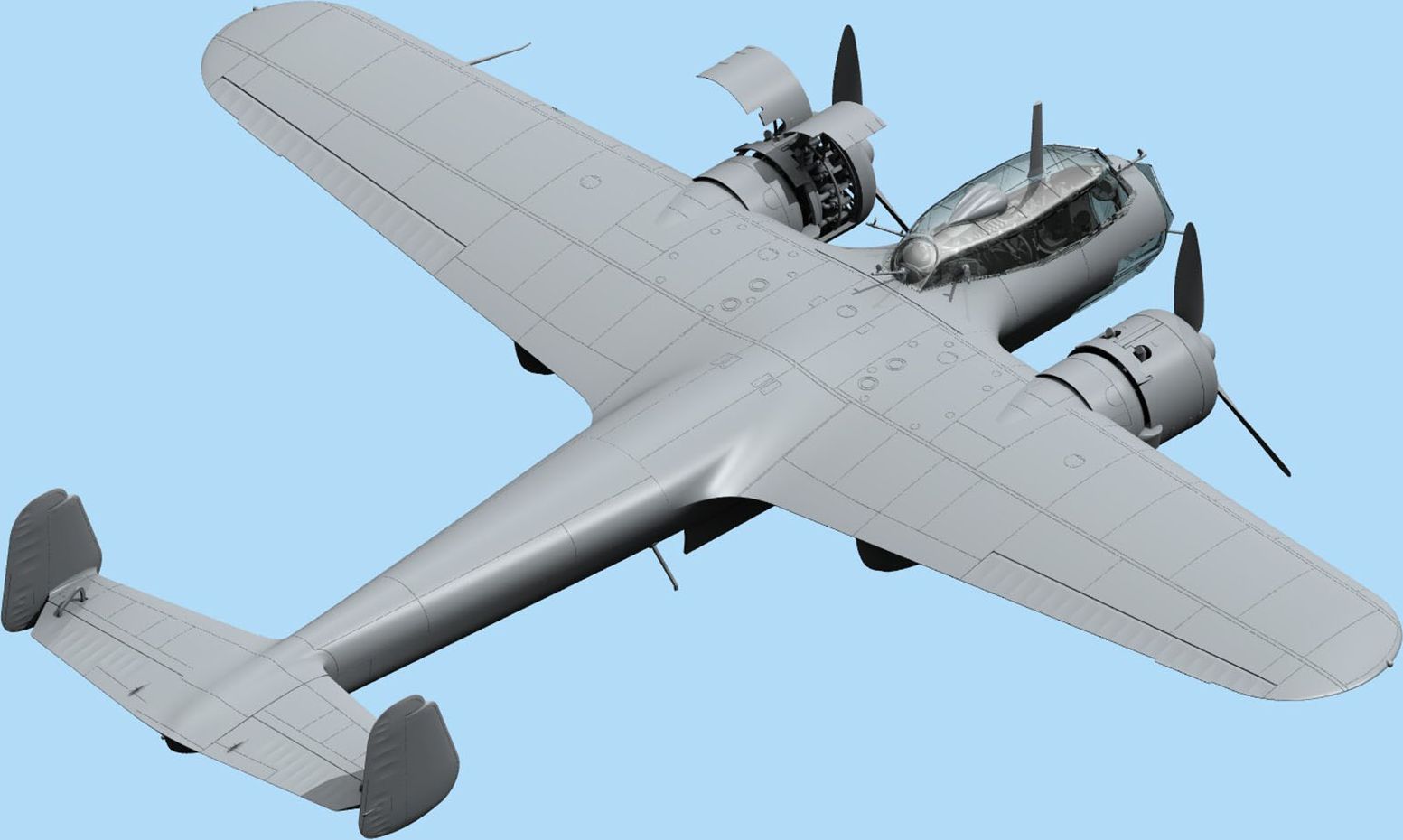
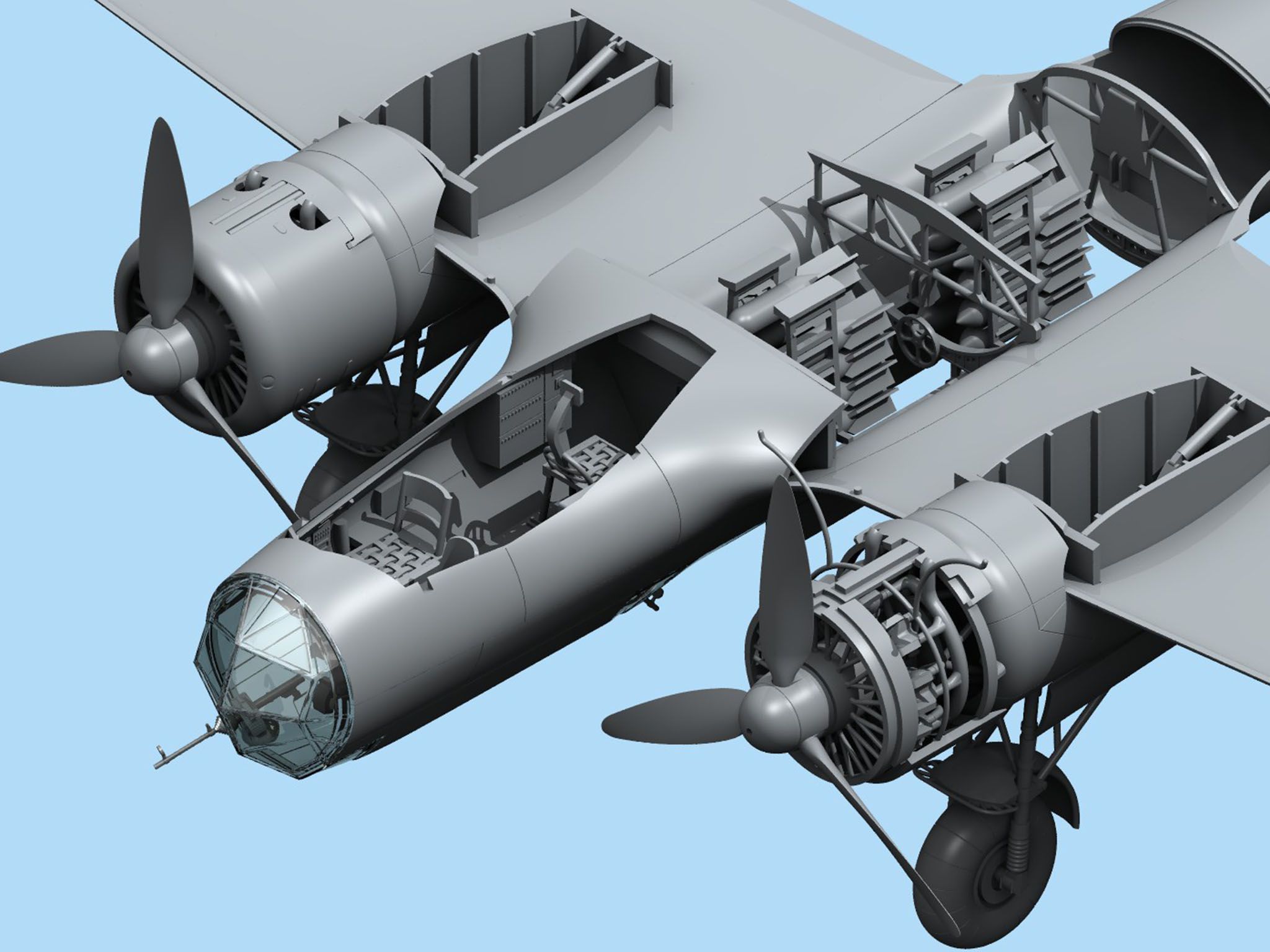
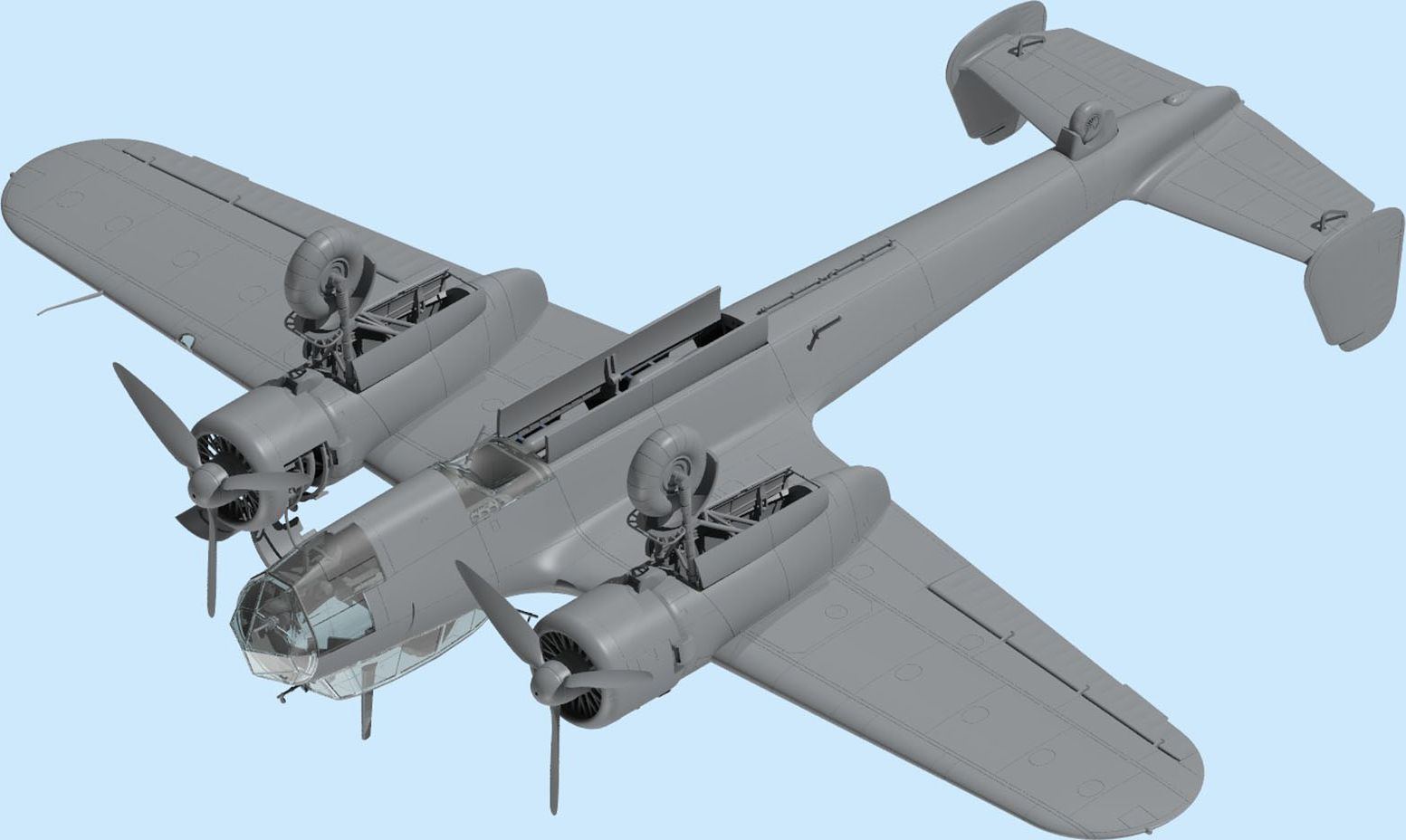
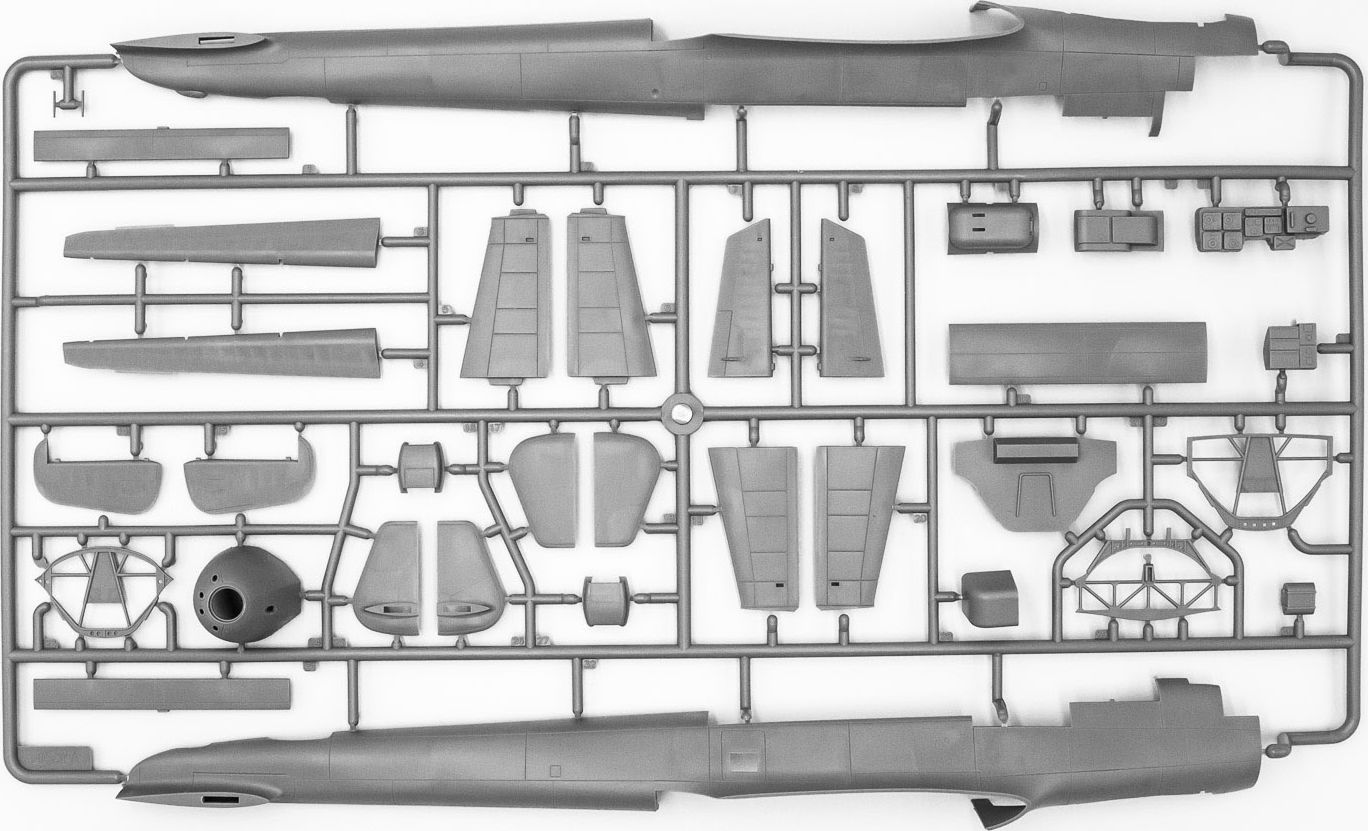
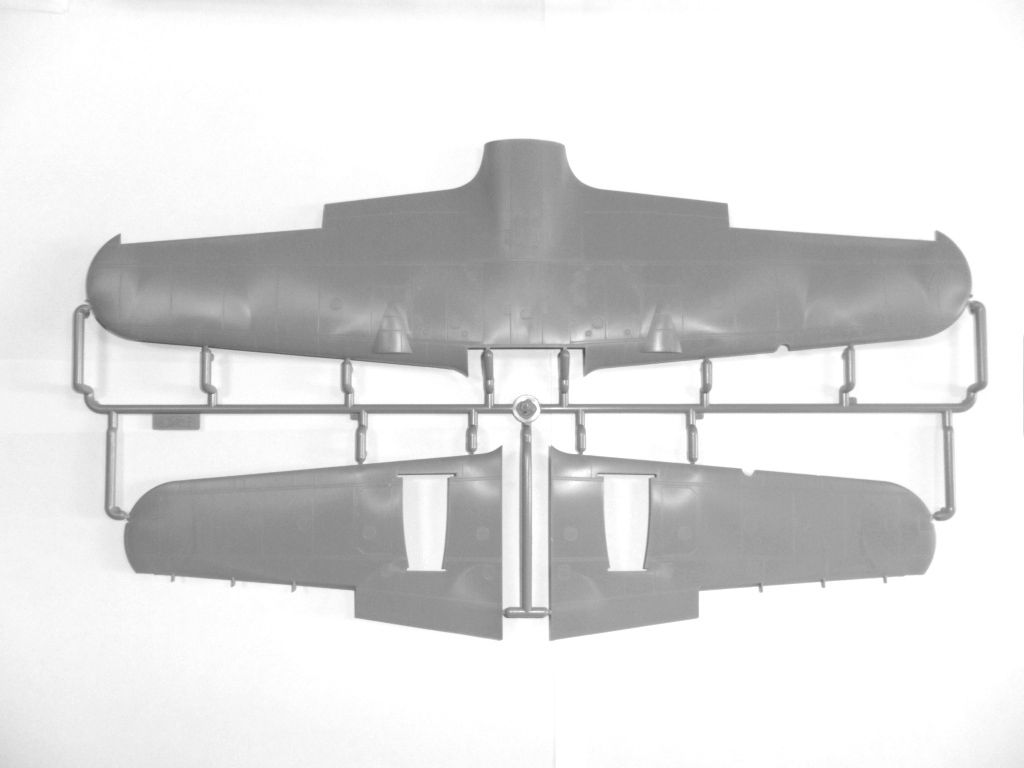
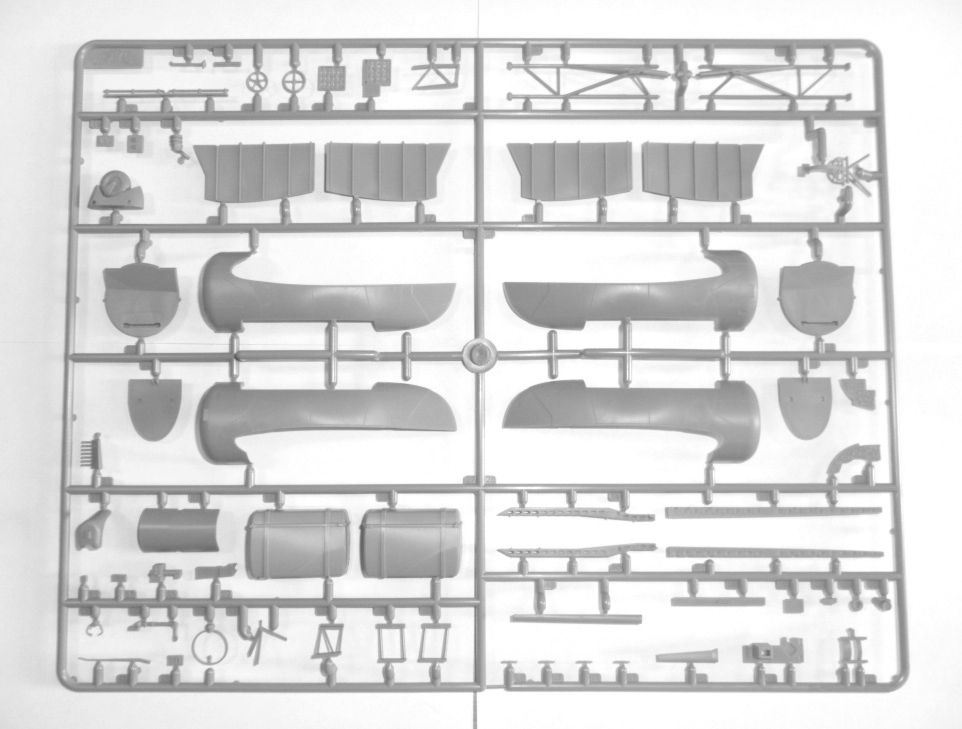
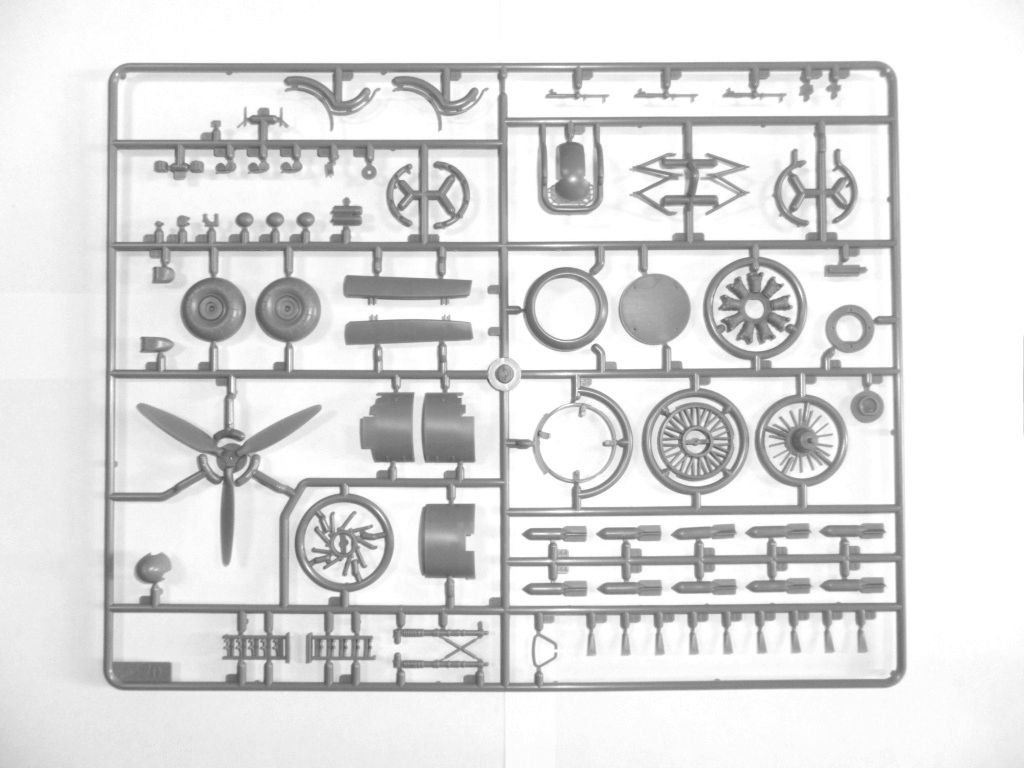
Do 17Z-2 German WWII bomber 1:48 ICM 48244
 0
0
 ・Kup teraz i zapłać za 30 dni
Order now, we will ship
Description
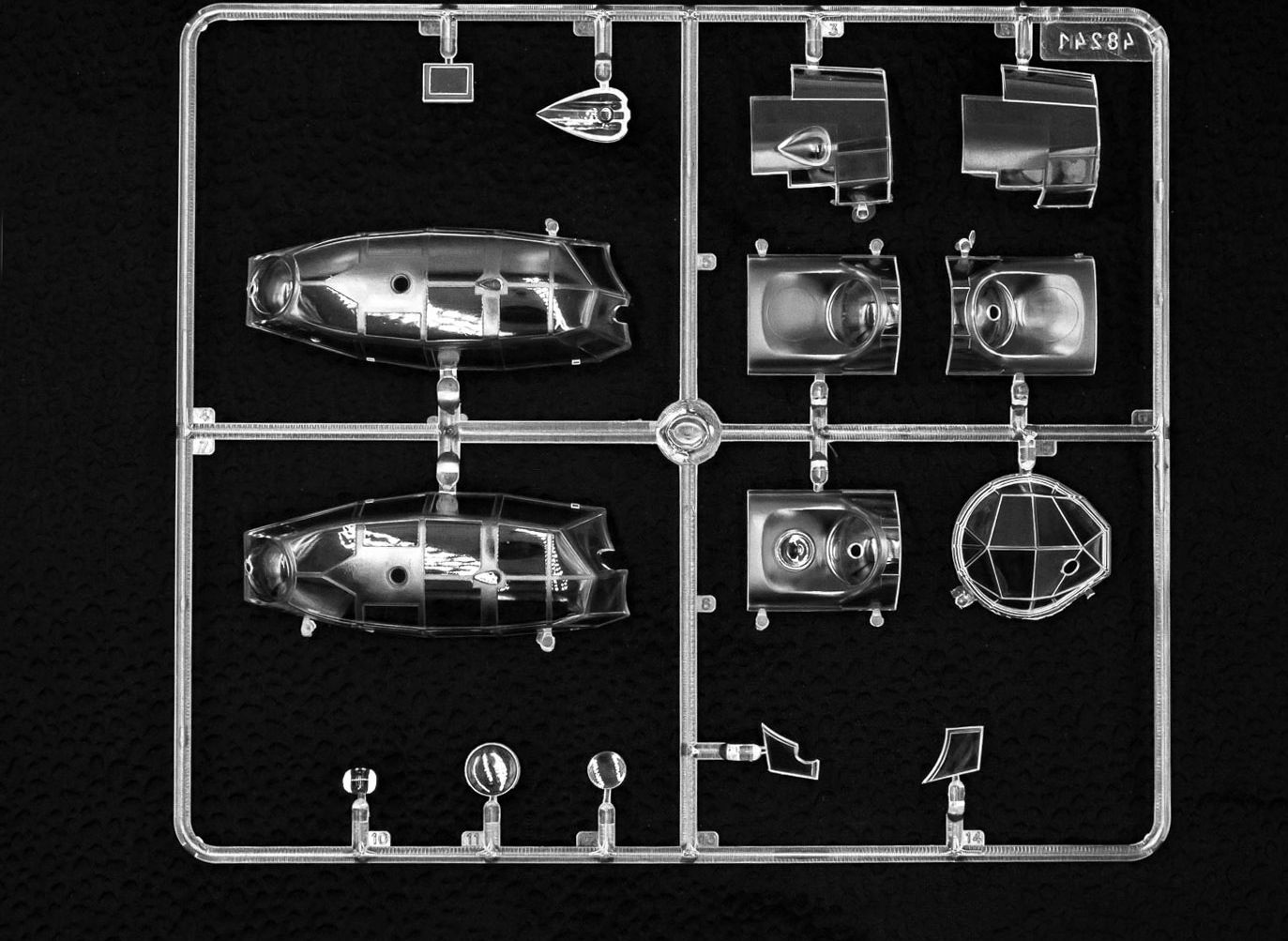
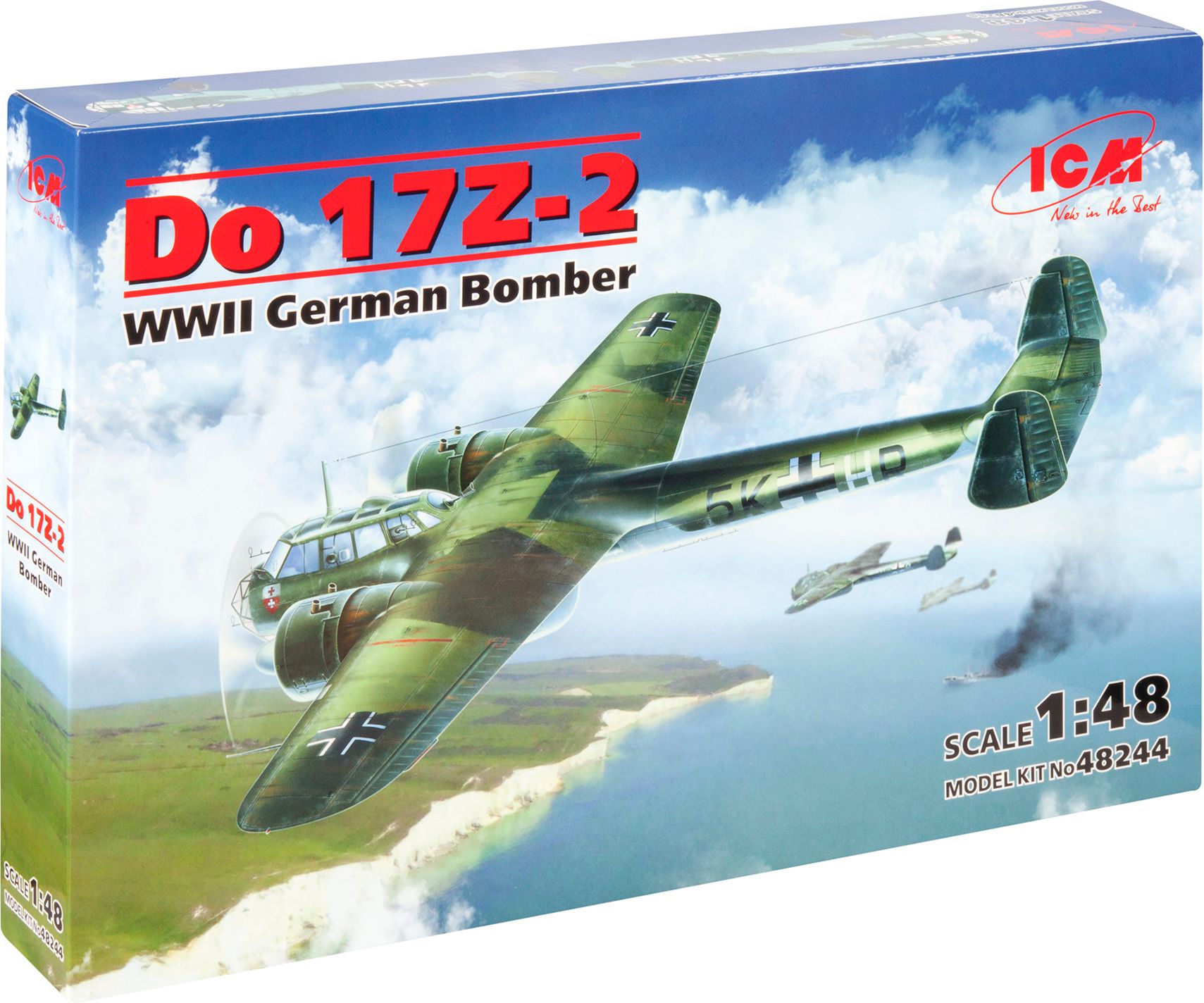
Plastic model airplane for assembly: Do 17Z-2 German bomber from WWII 1:48 ICM 48244
The plastic model for assembly: Dornier Do 17Z-2 German bomber from World War II in 1:48 scale by ICM (catalog number 48244) is an excellent proposition for aviation history enthusiasts and modelers interested in the World War II period. This detailed kit allows for the recreation of one of the most iconic Luftwaffe bombers, which played a significant role in many military campaigns.
Model features:
- Scale: 1:48
- Manufacturer: ICM
- Catalog number: 48244
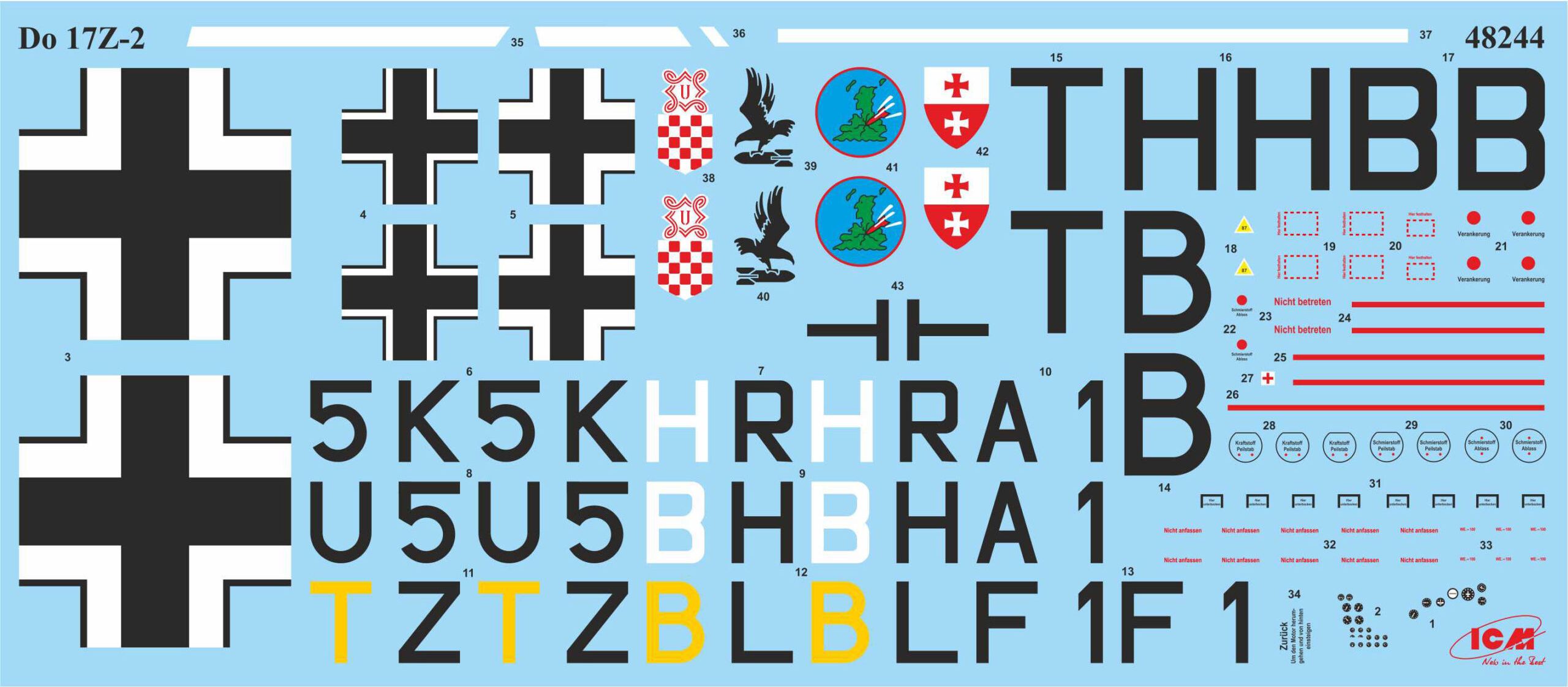
The kit includes parts for assembling the model and decals with markings for four different versions of the aircraft:
- Do 17Z-2, 7./KG 3 "Blitz", France, August 1940
- Do 17Z-2, 3./KG 76, France, August 1940
- Do 17Z-2, 1./KG 2 "Holzhammer", Greece, May 1941
- Do 17Z-2, 15.(Croat.)/KG 53, USSR, winter 1941-42
History and significance of the Dornier Do 17: The Dornier Do 17, also known as the "Fliegender Bleistift" (flying pencil), was a twin-engine light bomber designed by the German company Dornier Flugzeugwerke. Its design emerged in the early 1930s as a response to the concept of the Schnellbomber, or fast bomber, which was intended to outpace contemporary fighters.
The first prototype of the Do 17 made its maiden flight on November 23, 1934, and three years later it entered regular service with the Luftwaffe. This aircraft was valued by crews for its maneuverability, especially at low altitudes, making it a harder target for the enemy.
The Do 17 made its combat debut during the Spanish Civil War, where it served in the Condor Legion. At the beginning of World War II, alongside the Heinkel He 111, it was one of the main bombers of the Luftwaffe. It participated in many key campaigns, such as the Polish campaign, Norwegian campaign, Battle of France, Battle of Britain, and Operation Barbarossa.
Production of the Do 17 ended in mid-1940, when newer and more powerful models, such as the Junkers Ju 88, began to be preferred. Nevertheless, the Do 17 continued to serve in the Luftwaffe in various auxiliary roles, such as glider tug, research aircraft, and training aircraft. Many of these machines were transferred to other Axis countries, including Finland, Bulgaria, and Spain.
Kit for self-assembly and painting. Does not include paints or glue. For assembly, separately sold modeling tools are needed (including cutters, files, tweezers), paints, brushes, and plastic model glue (e.g. Tamiya Extra Thin Cement). The photo shows a professionally assembled and painted model.
Details
Product reviews (0)

There are no reviews for this product yet.
Log in to add a review.
 All reviews (positive and negative) are displayed. We don't verify that they come from customers who have purchased the product.
Check out what other modelers are choosing – the most popular products!




€6.59
Regular price:
€6.94


€3.41
Regular price:
€3.79


€1.46
Regular price:
€1.63

€7.82
Regular price:
€8.23